
ULTRA-LONG
Ultra-Long Holographic LED Screen
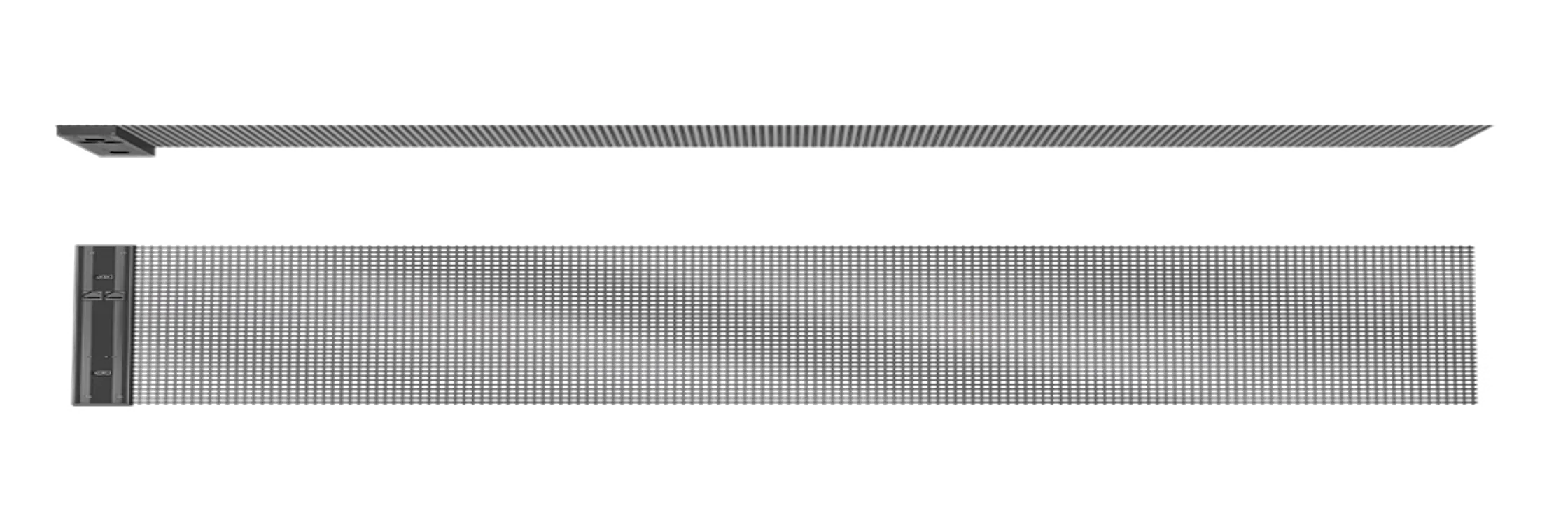
One 6.75-metre module with no connectors, no mid-point power box and no frame — a single uninterrupted surface of transparent LED.
Product Overview
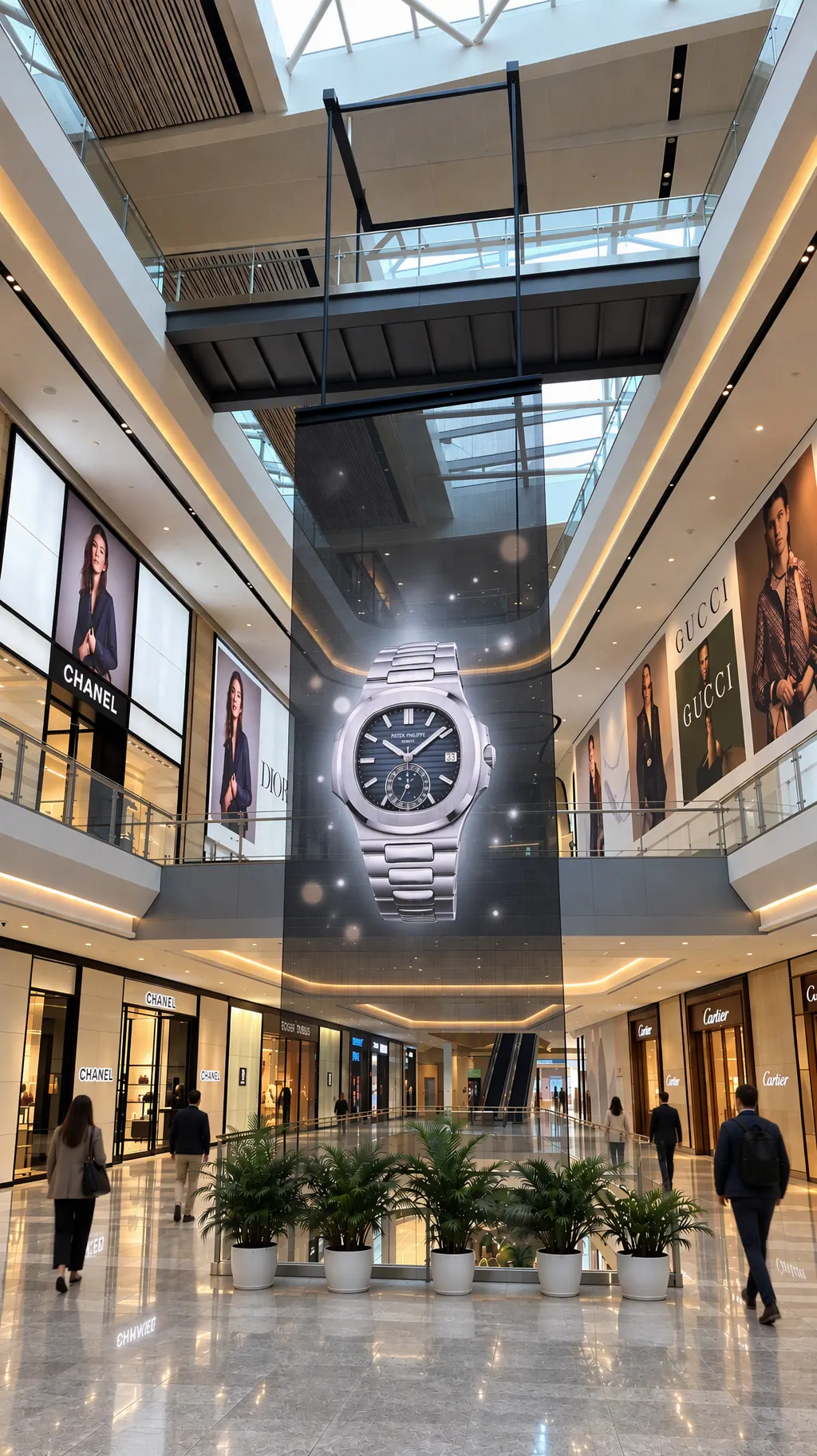
A conventional LED wall is assembled from many small panels, and every join tends to show. The Ultra-Long Holographic LED Screen takes the opposite approach: one module running up to 6.75 metres in a single piece, so the display reads as a continuous surface rather than a grid.
Seamless Visual Experience
With no connecting pieces and no frames, nothing interrupts the picture or catches the light. Content runs edge to edge as one uniform image.
Unparalleled Design Flexibility
Removing the mid-point power box lets the module run as a single clean span, giving designers far more freedom in where a screen can go and how it can be shaped.
Immersive Display Walls
Scale it into a wall that fills an atrium, wraps a column or spans a stage. The wider the surface, the more completely the screen dissolves into the space around it.
Core Features
Four design decisions separate this module from a conventional LED wall.
Ultra-Long Single-Side Power Supply
The whole module is powered from one end — no multiple power inputs to wire, no long cable runs to plan around. Installation is simpler and the finished screen stays clean.
No Connecting Pieces
Modules meet without a visible joint, so the picture reads as one surface, with none of the seams that betray a tiled display.
No Mid-Point Power Box
Taking the power box out of the middle of the screen leaves an unbroken display area and a visibly tidier installation.
Frame-Less Design
The module is frameless from end to end, so continuous walls can be built without a border cutting through the image.
Double-Sided Invisible Display
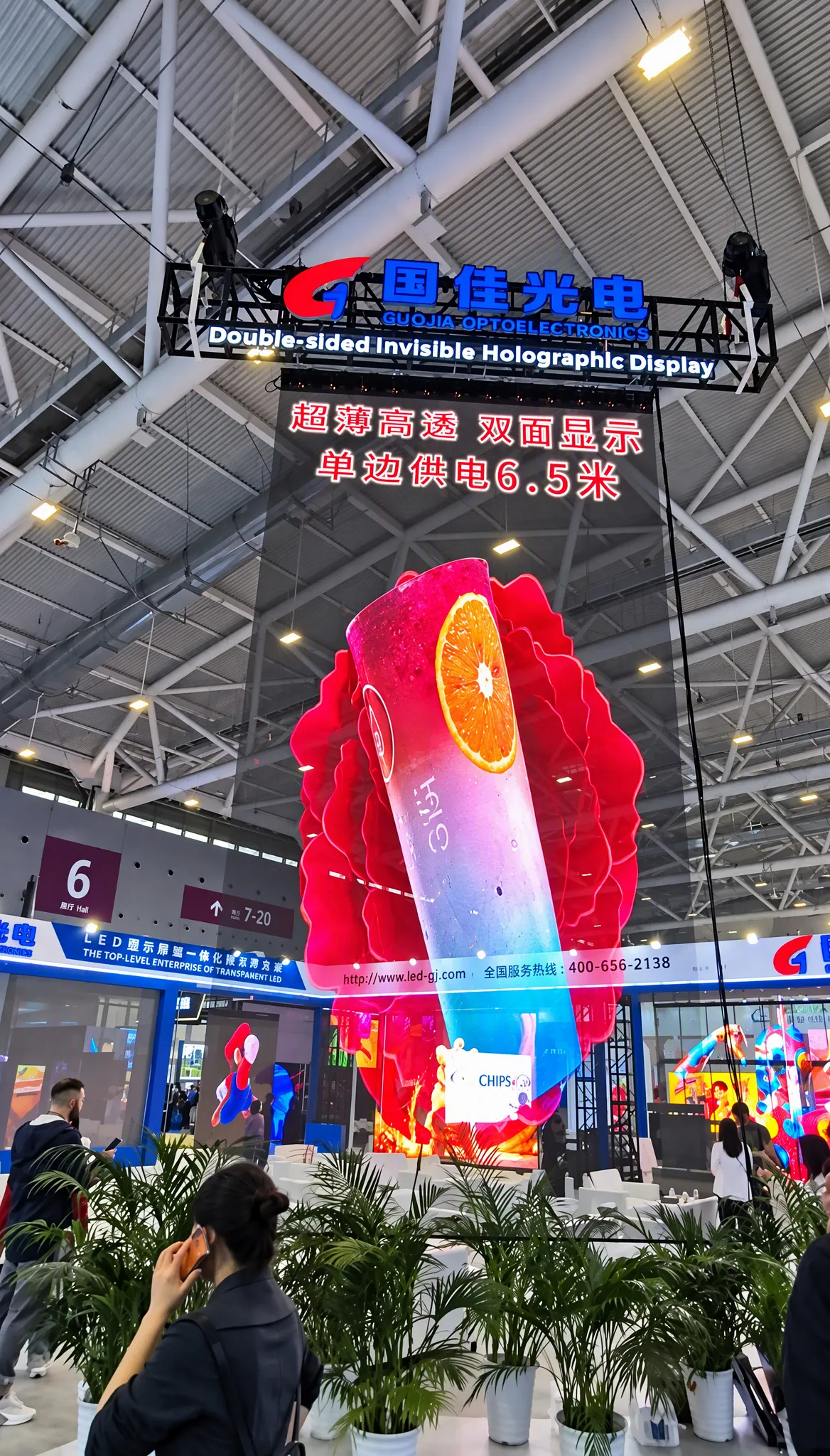
A double-sided screen is usually two single-sided panels fixed back to back. This is not that — one PCB, with LEDs mounted on both faces, emitting light in two directions.
One Board, Two Faces
With no second panel and no backing layers between them, nothing is left to block the view: the module holds its maximum transparency while working both ways.
Two Campaigns, One Module
Both faces can carry the same advertisement or video for a 360° read around the screen, or run two different campaigns for two flows of foot traffic.
Seen From Every Side
A single-sided screen serves only the people standing in front of it. This one gathers attention from every side of the space.
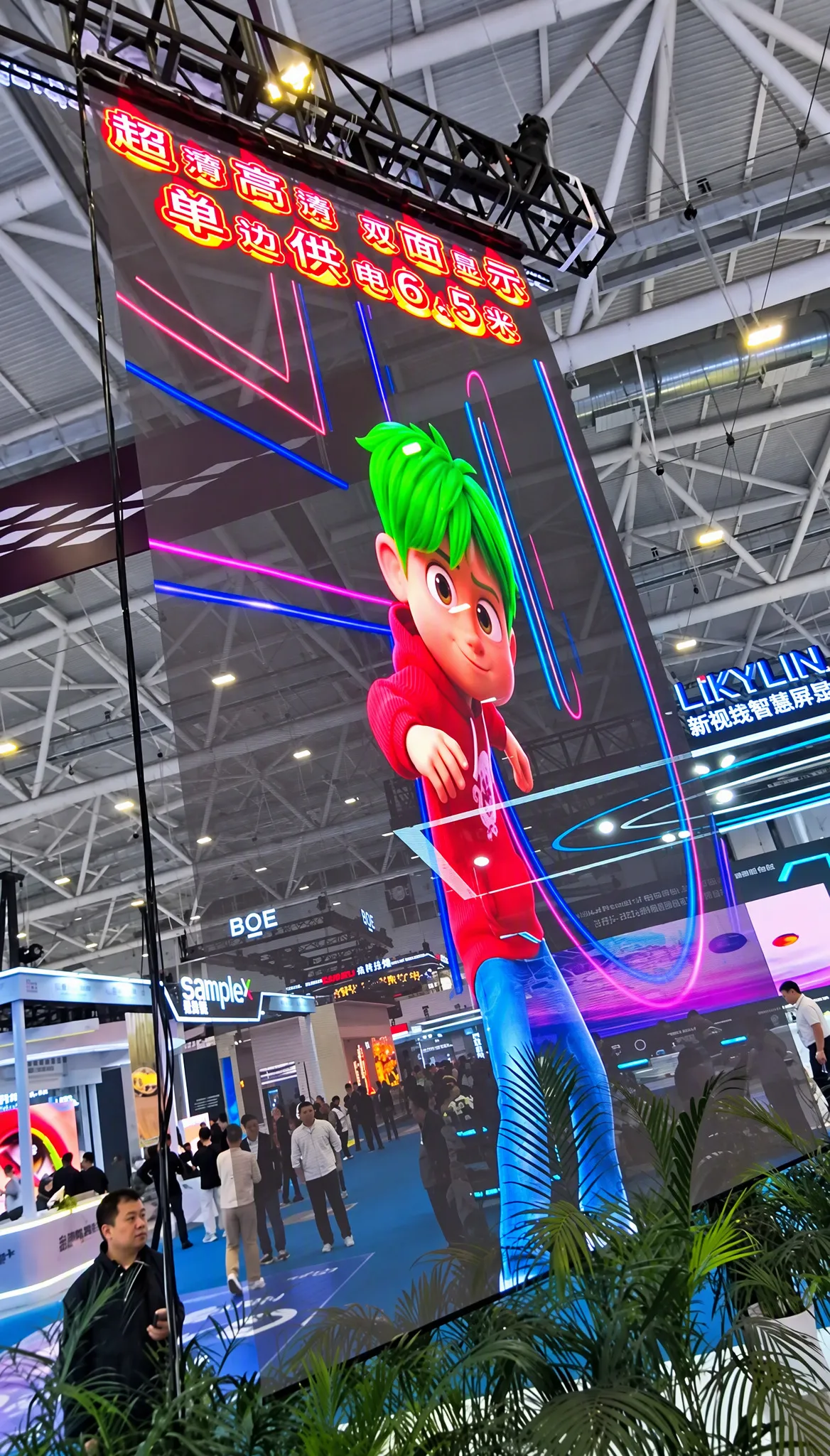
The Face Your Visitors See
Carries the campaign, the product film or the brand message at full brightness and full transparency, in the direction your audience is already looking.
The Face Behind
Runs its own content, entirely independently of the front — a different product, a different language, a different promotion, from the same module.
Application Scenarios
Built for spaces where a screen has to hold attention at scale.
Shopping Malls
Turn a central atrium into a landmark. Tall, continuous transparent displays carry brand campaigns at a size that stops foot traffic.
Airports
Deliver live information and advertising together, with the clarity and scale a busy terminal demands.
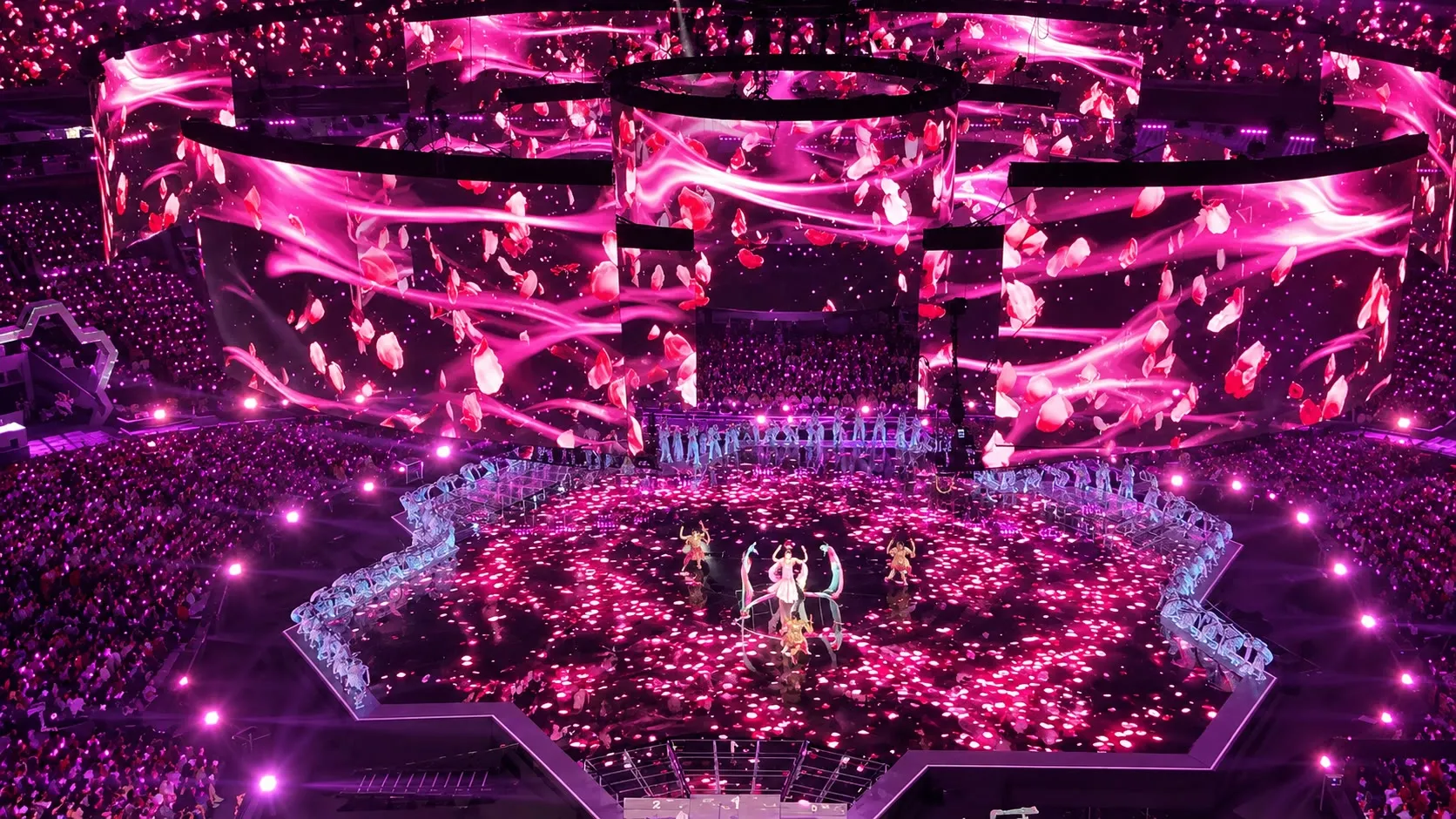
Exhibition Halls
Build a booth visitors cannot walk past — large, seamless surfaces that carry products, film and interactive content.
Live Events and Arenas
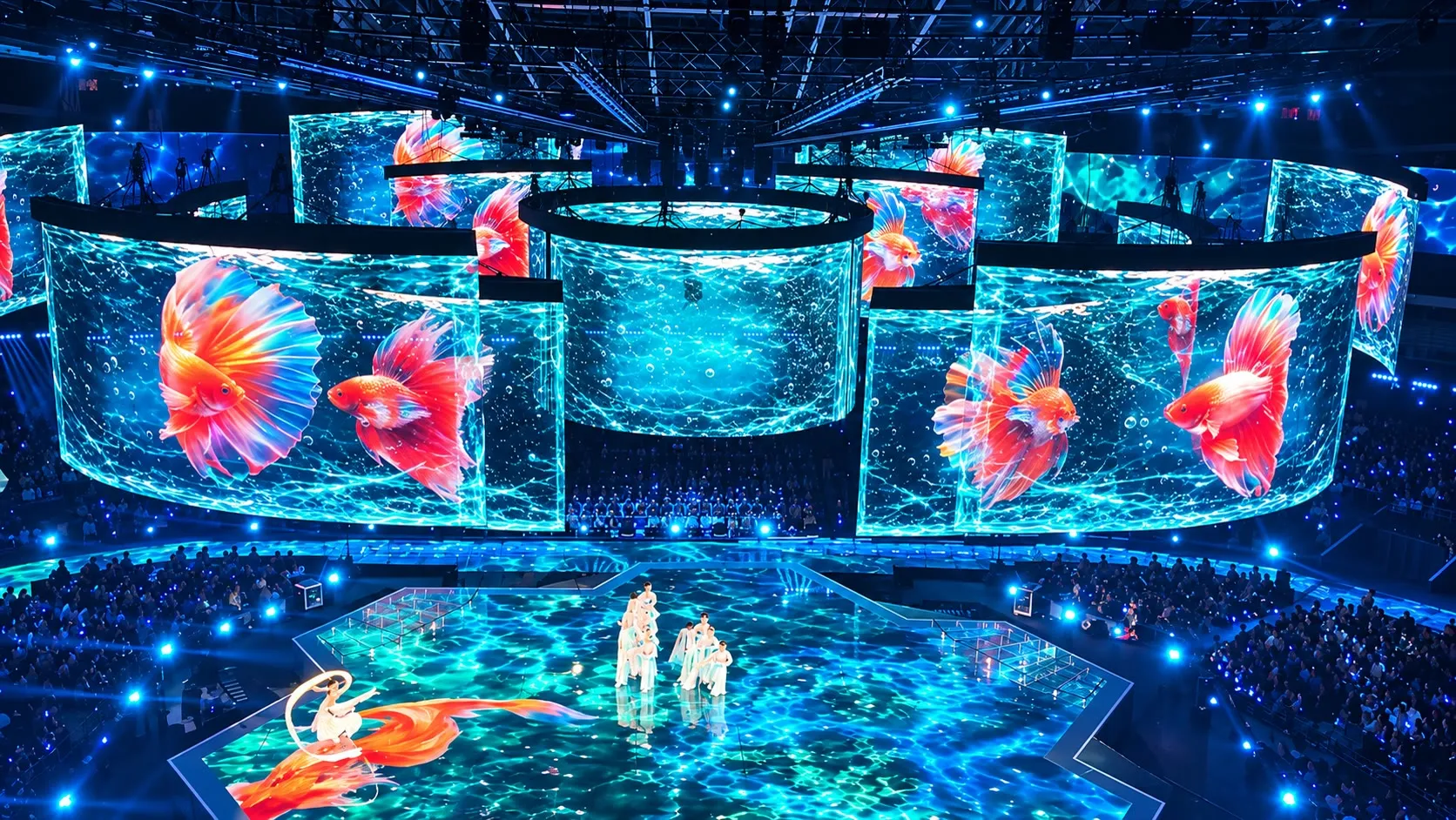
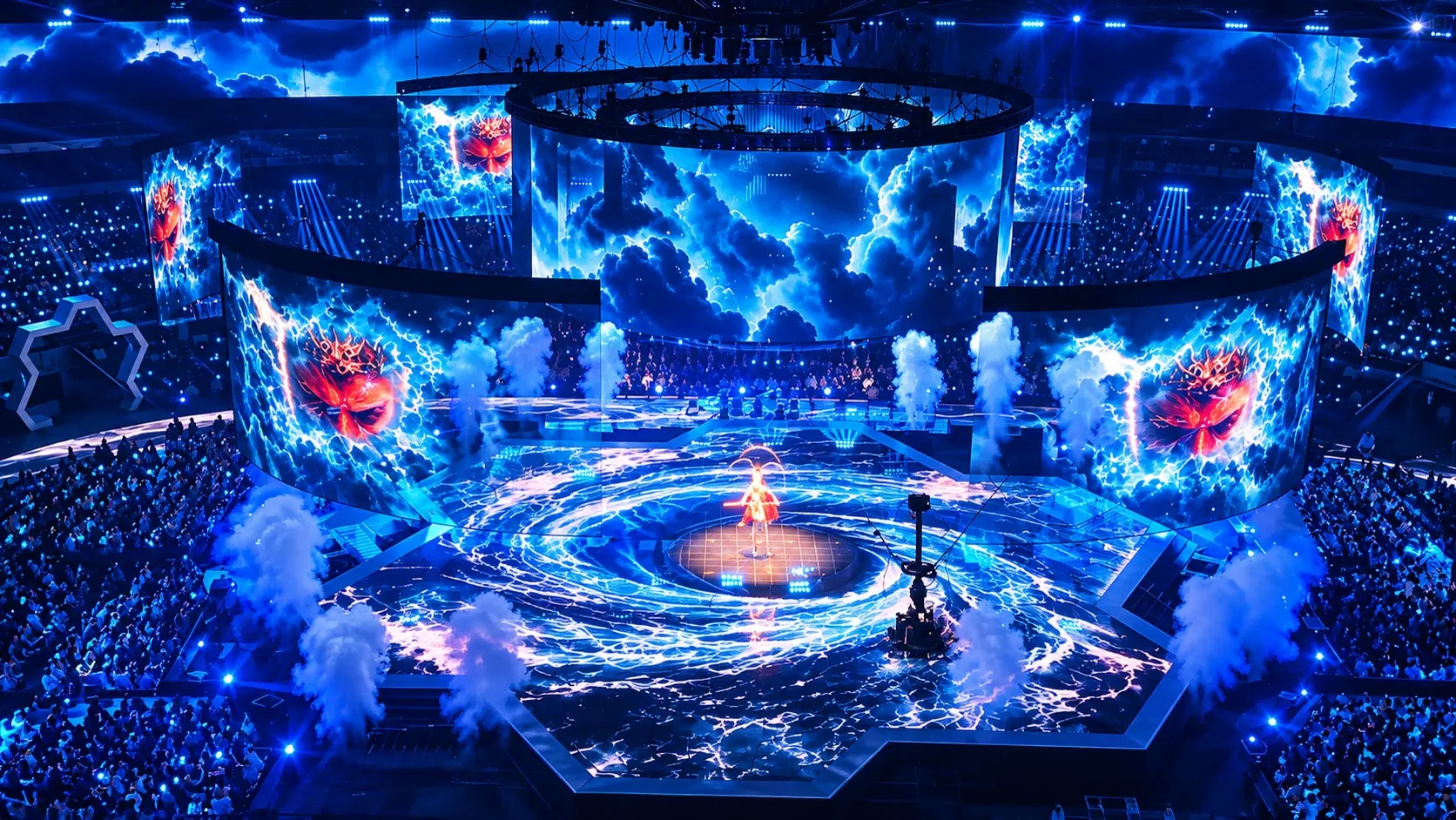
Make the venue itself part of the show. At WorldSkills Competition 2026 in Shanghai, the arena carried the world's largest transparent double-sided screen — 2,000 m², readable from both faces and from every seat in the hall.
The Future of Seamless Displays
The screens that define the next decade of retail, transport and live events will not look like screens. They will be made of the glass a building is already built from — a full-height atrium wall, a run of storefront glazing, a long concourse barrier — each one carrying content across its whole surface while the space behind it stays visible.
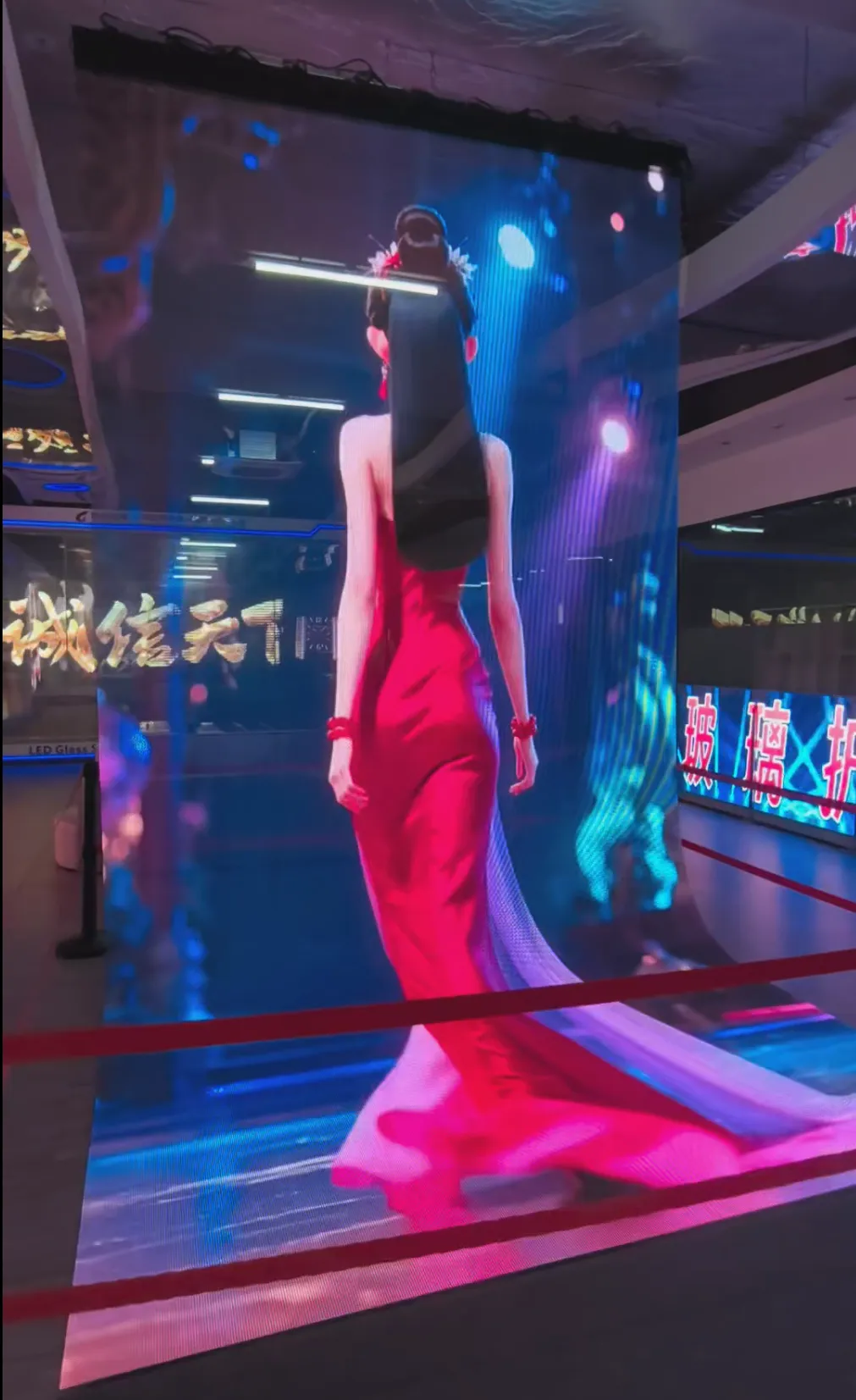
Built Into the Architecture, Not Placed In Front of It
A display no longer has to be an added object with its own footprint and its own edge. It can be the surface the building already has, planned into glazing, balustrades and facades from the first sketch.
Scale Set by the Space, Not the Hardware
An elevation, a storefront or a stage backdrop can be treated as one canvas, because the picture is no longer limited by how many units can be assembled. What the designer can imagine for the space, the screen can cover.
Content That Floats in the Air
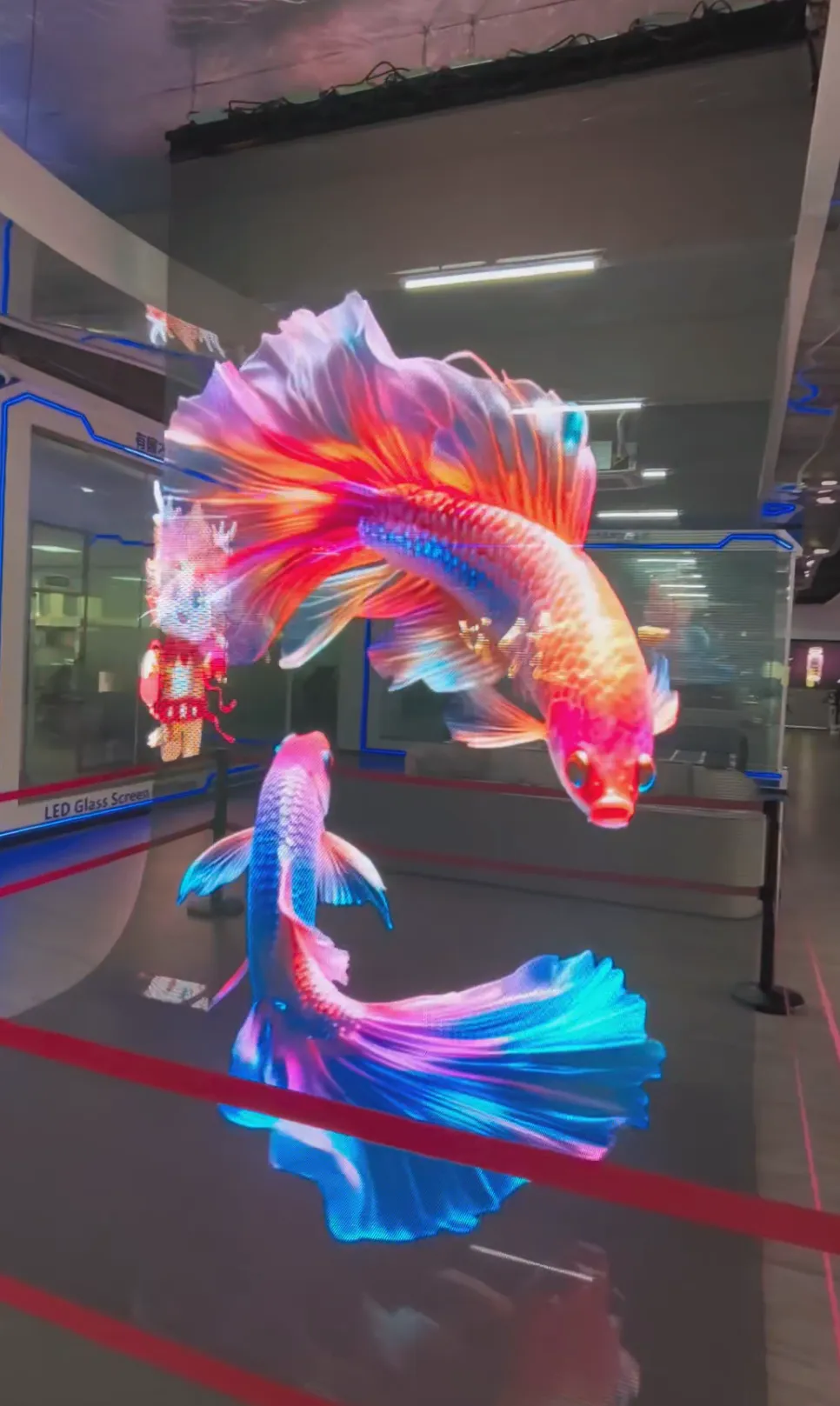
Because the surface stays transparent, daylight, views and the architecture behind it are never lost. The image reads as if it were suspended in the space itself — which is what keeps people looking as they walk past.
Selected projects
View all cases 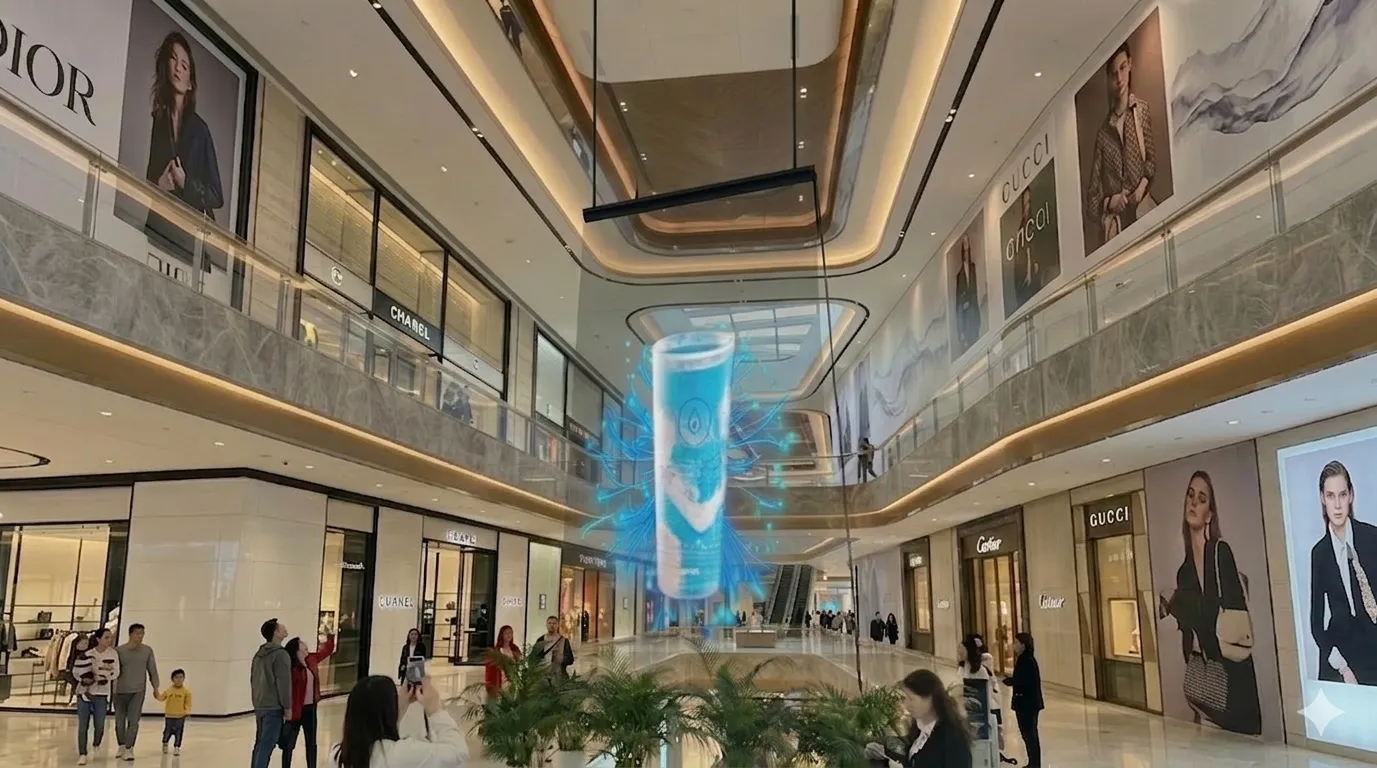
Request a Quote
Get in touch to learn more about our innovative transparent LED solutions.
Contact us